Skincare Routines
How to Get Glowing Skin
Light on the high points only.

Real glow is moisture that has been given time, not a stripe of shimmer across a dry cheek. The edit is simple: water first, then a precise highlight where light would have landed anyway. If the skin is textured or tight, powder light will only announce it. Fix the surface, then decorate it.
This guide covers the skincare that produces a real glow, where to place highlighter so it reads as light, the difference between cream and powder formulas, and the mistakes that turn a lit face into a shiny one.
Glow starts in the skin
Highlighter reflects light. It does not create the kind of even, healthy tone that makes people ask what changed. That comes from hydration, a calm surface, and a little time. Two weeks of a steady, simple routine will do more for how your skin catches light than any new shimmer product.
The reason is texture. Light bounces evenly off a smooth surface and scatters off a rough one. Dryness, flaking, and uneven texture all break up the reflection, which is why powder highlight on dry skin looks dusty rather than luminous. Deal with the surface first, and everything you put on top behaves better.
The skin version
Press a hyaluronic serum into damp skin. Seal it with a cream that leaves a soft slip, not a film. In the morning, sunscreen can be your illuminator if the finish is satin. A facial oil is a night move, two drops, pressed over cream on the cheeks only. Too much oil under makeup is how glow becomes slide.
Glycerin, hyaluronic acid, panthenol, and ceramides are the ingredients worth looking for. Niacinamide can help even tone over time, and vitamin C brightens but needs weeks to show a difference. If your skin is oily, do not skip moisture for fear of shine. Dehydrated oily skin tends to look dull and then produce more oil on top.
Water matters too. Drinking enough and using a humidifier in a heated room are unglamorous, and both make a visible difference by the end of a week.

Where the light goes
High points only: the top of the cheekbones, the inner corners, a whisper on the brow bone, the bridge of the nose if you like. Skip the center of the forehead if you shine by lunch. Cream highlight melts into skin. Powder highlight is for photographs and evenings. Never put chunky glitter on texture you are trying to soften.
Placement is the whole skill. Point the brush or your fingertip at the areas that would catch a window naturally, and stop there. On a round face, keep the highlight on the tops of the cheekbones and away from the outer edges of the cheeks, which can make the face look wider. On a longer face, a touch on the bridge of the nose and the center of the chin balances proportion.
One more rule: highlight goes on last, after blush and bronzer, and you use less of it than you think. A small amount tapped on with a finger usually looks more natural than a brush loaded with shimmer.
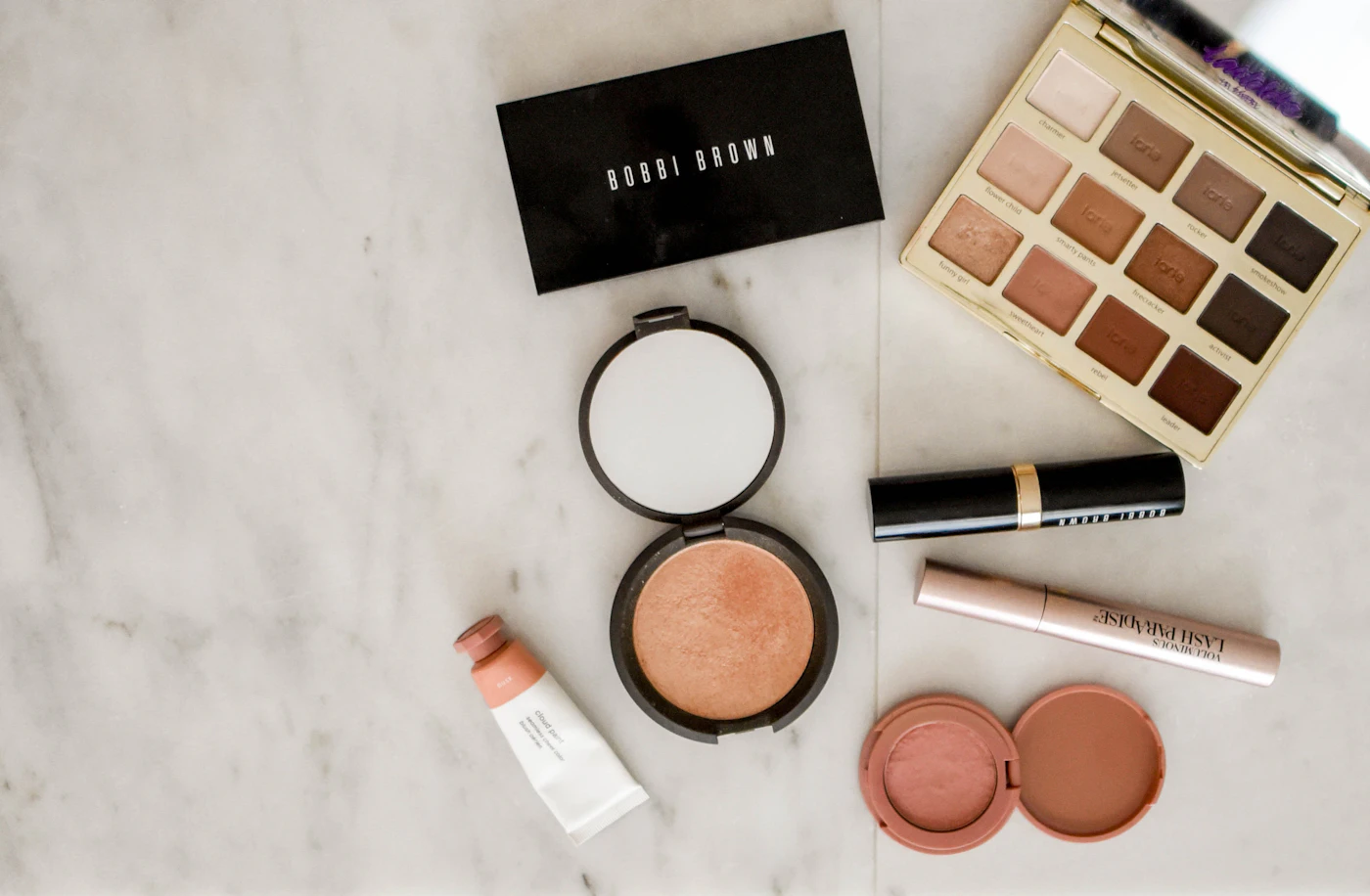
The trick that looks expensive
Mix a pin-drop of liquid illuminator into the foundation on the high points only, and leave the perimeter of the face matte. Set under the eyes and the nose. Leave the cheeks unset. That contrast is what reads as lit from inside. Moisture first, then a precise highlight. Anything more is costume.
Contrast is doing the work here. A face that is uniformly shiny looks oily, and a face that is uniformly matte looks flat. The visible glow comes from the difference between the matte areas and the lit ones, so keep the perimeter quiet and build the light in two or three specific places.
Cream, powder, or liquid
Cream gives the most skin-like finish and suits dry or mature skin. Warm it on a fingertip, tap it on the high points, and blend the edges with a sponge or your finger. Cream looks natural in daylight and photographs softly.
Liquid is the most subtle option and can be mixed into foundation or moisturizer for an all-over lift. It layers well over a satin base and dries down without moving.
Powder is for photographs, evenings, and oily skin. It gives the strongest reflection and reads clearly on camera, but it finds every dry patch in daylight. If you use it, keep it to the cheekbone and use a fine, lightly milled formula rather than a chunky one.
Common mistakes
- Highlighting dry or flaking skin. Fix the surface first, or the shimmer announces the texture.
- Going too low on the cheek. A highlight under the cheekbone drags the face down rather than lifting it.
- Chunky glitter for a daytime look. It catches the light in flecks and reads as craft glitter, not skin.
- Highlighting over powder. Powder on powder can look chalky. Cream highlight goes on before you set.
- Overdoing the whole face. Forehead, nose, chin, and both cheeks at once is what makes a face look shiny.
- Using a matte full-coverage base and expecting glow. Start with a satin or natural finish foundation.
The glow edit in order
- Cleanse, hydrating serum on damp skin, cream that leaves slip.
- Sunscreen with a satin finish, and let it settle for two minutes.
- A thin, satin-finish base, matched at the jaw.
- Cream blush on the apples, swept up.
- Cream or liquid highlight on the tops of the cheekbones, then the inner corners.
- Set only under the eyes and around the nose. Leave the cheeks unset.
- A balm or a satin lip, and out the door.
Glowing skin for oily and dry skin
Oily skin: aim for a satin finish rather than glow everywhere. Hydrate properly, use a lightweight cream, and choose a liquid highlighter that dries down. Skip the cream formulas that never set, and blot through the day instead of adding more powder.
Dry skin: cream highlight and a richer moisturizer are your friends. Layer a hydrating serum under a ceramide cream, wait a minute, then apply a satin base. A drop of facial oil at night, pressed over cream on the cheeks, builds the glow from the night before rather than from the product on top.
Mature skin: cream and liquid formulas sit better than powder, which settles into lines. Keep the highlight on the highest points only, and choose a finely milled product with no visible particles.
How long glow takes
Hydration shows up within days. Texture, tone, and marks take longer, usually four to eight weeks of consistent care. The visible "glow" most people mean is a combination of the two, so expect the surface to feel better almost immediately and the finish to look better after a month. If your skin looks dull after six weeks of a steady routine, the likely culprits are dehydration, too many products, or a base that is too matte.
Makeup that keeps the glow
A matte, full-coverage foundation works against everything above. Choose a satin or natural finish, apply it thinly through the center of the face, and leave the perimeter lighter. Set only where you need it. If your base goes flat by midday, it is usually powder rather than the foundation itself. Carry blotting papers instead of powder, and keep a cream or liquid highlight in your bag for a mid-afternoon tap on the cheekbones.
Blush and bronzer both blunt glow if they are matte and over-applied. A satin blush, or a cream blush that has a little slip, keeps the face looking lit even in office light. Bronzer should stay matte and at the perimeter, where it warms the face without competing with the highlight.
Everyday habits that add glow
- Sleep. Skin repairs overnight, and nothing on the shelf replaces it.
- Water, and a humidifier in a heated or air-conditioned room.
- Sunscreen every morning, which keeps tone even in the long run.
- Not over-exfoliating. A weekly acid at most, and less if your skin is dry.
- Gently massaging moisturizer in rather than rubbing. It moves fluid and leaves a softer finish.
- A little movement each day. Circulation shows in the face.
The short version
Water, cream, and two precise taps of light on the high points. Fix the surface before you decorate it, and leave the perimeter of the face quiet. Anything more is costume.