Skincare Routines
Travel Skincare: What to Pack
Pack the routine you already trust.
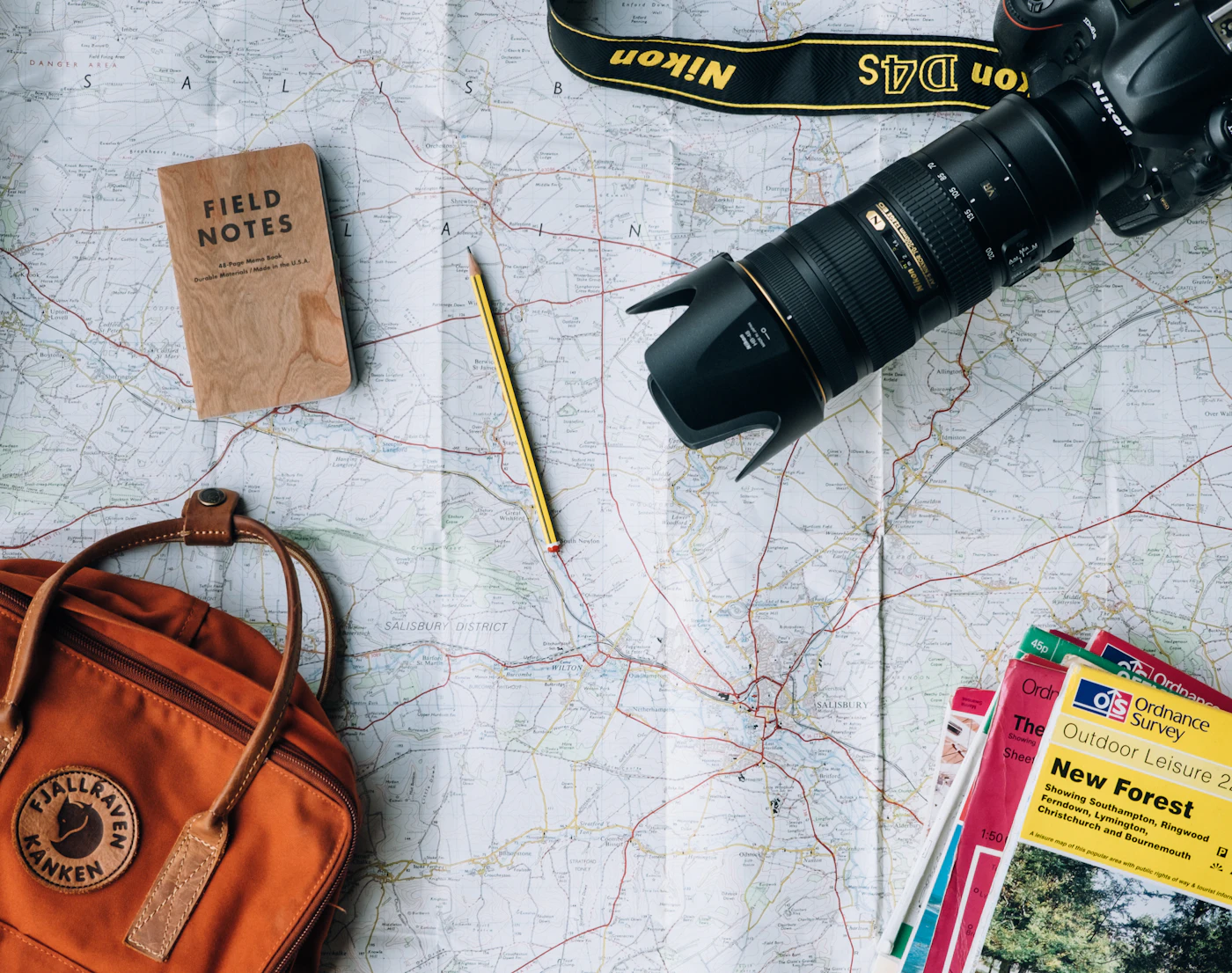
Hotel minis are not the plot. A new cleanser in a new climate is how a good trip gets a rash. The travel edit is your real routine, smaller. Decant the serum, cream, and sunscreen you use on a Wednesday. Bring the makeup that already matches your face. Discovery is for restaurants, not your barrier.
This guide covers what to pack, what to leave behind, how to handle cabin air and a long flight, and how to adjust once you arrive without buying a new shelf in a new city.
Why travel breaks a routine
Travel changes three things at once. The climate changes, so the cream that worked perfectly at home may be too light or too rich. The water changes, which matters more than people expect, because hard water leaves a film that can irritate or dry skin. And your sleep changes, which shows in the face faster than any missed serum.
On top of that, the airport is dry, the plane is drier, and hotel air conditioning runs all night. Arriving with a face that is already tight means every product applies differently for the first two days. Packing the products you know is the way to keep one variable fixed while the rest change around you.
The carry-on list
Cleanser, serum, moisturizer, sunscreen, one treatment, lip balm, and a concealer you can sleep in if the flight runs long. Liquids in a clear bag, labels facing out. A mist is optional. A rich cream is not, because cabin air is dry enough to make foundation crease by landing.
Decant into small, well-sealed bottles rather than relying on hotel minis, which are often a formula you have never used. Label each one, and mark the date you filled it, since decanted products do not have the shelf life of the original packaging.

What to leave at home
- Anything you have not used for at least a month. Trips are not the time for a trial.
- A strong acid or a high-strength retinoid if you will be in the sun. Pack the gentler version or skip it.
- Full-size bottles you will only use a tenth of, unless you have checked luggage and space.
- Sheet masks with strong fragrance, which are pleasant at home and irritating on a plane.
- A second cleanser, a second serum, and a second cream. One of each is the point.
On the plane
Skip a full glam before a long haul. Moisturizer, a cream blush if you want to look alive in arrivals, balm on the lips. Reapply cream halfway if the flight is overnight. Drink water. Do not test a sheet mask that smells like perfume at 30,000 feet.
Cleanse before you settle in if you are flying overnight, then apply a hydrating serum and a layer of cream, and reapply the cream before landing. If you wear makeup, keep it to a tint and a brow gel rather than a full base, and take it off properly when you arrive. A mist through the flight helps, but it is a top-up rather than a substitute for cream.
When you land
Give the skin one night on the products it knows before you book a facial. Sunscreen the first morning, even if the plan is museums. If the water is hard, rinse with micellar water after cleansing. Pack the routine you already trust. The city can be new. Your face does not have to be.
If you are somewhere hot and humid, move your richer cream to night and use a lotion under sunscreen by day, the same switch you would make at home in summer. If you are somewhere cold and dry, keep the rich cream for both and add a balm to your pocket. Adjusting for the climate is fine. Adjusting the whole product list is not.

Makeup to pack
Bring the products that already match your face: your usual tint or foundation, a concealer, a cream blush, a brow gel, a mascara, and a lip. That covers a dinner, a photograph, and a day of walking. If you are going somewhere with strong sun, add a tinted sunscreen that can double as your base.
Leave the full kit at home. Travel is when a lighter face looks better anyway, because you are outside more and often in brighter light than at home. Two or three items that you know work will do more than a bag you unpack once.
Adjusting to a new climate
- Hot and humid: lighter moisturizer, gel textures, sunscreen you will reapply, and blotting papers.
- Cold and dry: keep the rich cream, add an occlusive balm on the lips, nose corners, and hands.
- High altitude or on the water: take sunscreen more seriously than usual, since reflection and thinner air increase exposure.
- Hard water: rinse with micellar water after cleansing, and keep the rest of the routine unchanged.
- A long flight and a time change: expect the face to look tired for a day. Water and sleep do more than any product.
If something goes wrong while you are away
If your skin reacts, you already have the fix with you: drop to cleanser, cream, and sunscreen, and stop everything else for three or four days. That is the same reset you would do at home, and it works in a hotel room just as well. Resist the urge to buy a local remedy you have never tried, unless it is a bland, fragrance-free moisturizer from a pharmacy.
Do not book a facial, a peel, or an extraction in the first few days of a trip, or in the last few before a flight home. New treatments in a new climate are the pairing most likely to produce a reaction, and a trip is the worst place to have one.
A packing list you can copy
- Cleanse: a gentle cream or gel cleanser in a 100ml bottle, plus a small balm or micellar water for a long flight.
- Treat: a hydrating serum, and one active in a small size if you are used to it.
- Protect: sunscreen, and a stick or powder version for reapplying over makeup.
- Seal: a moisturizer that suits the climate you are going to, and a balm for lips and hands.
- Makeup: tint, concealer, cream blush, brow gel, mascara, one lip.
That fits in a small bag and covers a week in most climates. If you are away longer, decant larger sizes into the hold luggage rather than doubling the number of products.
Skin at the airport and in transit
Airport air is dry, and security queues, delays, and recycled air all pull moisture from the skin. Cleanse before a long flight, moisturize generously, and reapply cream once in the air and once before landing. A balm on the lips and a dab on the hands makes a surprising difference, because those two areas crack first.
If you wear a mask for a long stretch of travel, keep the base light or skip it, since friction and warmth under fabric move makeup and can provoke breakouts along the jaw. Cleanse as soon as you can afterwards.
Travel skincare for sensitive skin
If your skin reacts easily, travel with the fewest products you can manage and keep every one of them fragrance-free. Water and climate changes are two variables you cannot control, so nothing else should be new. Bring a plain, bland moisturizer you have used for months, and use it generously rather than switching to something richer at the destination.
Photograph your routine before you leave if you are prone to forgetting what you packed, and keep the products in one bag rather than spread across two. A single bag makes an accidental experiment much less likely.
The short version
Decant the cleanser, serum, moisturizer, sunscreen, and one treatment you already use. Bring the makeup that matches your face and leave the rest. Keep the routine identical while the climate changes around it, cleanse properly at night, and give the skin one night to settle before you do anything new. Pack the routine you already trust.